
Create a Wallet
Understand wallet control and backup responsibility before creating a new wallet.
Open guide →A multi-chain wallet, blockchain network and Web3 knowledge hub from imtoken
From multi-chain assets and network selection to sending, receiving, DApp connections, approval management and wallet security, imtoken brings product use and on-chain knowledge into one clear workflow so each action can be reviewed in context.
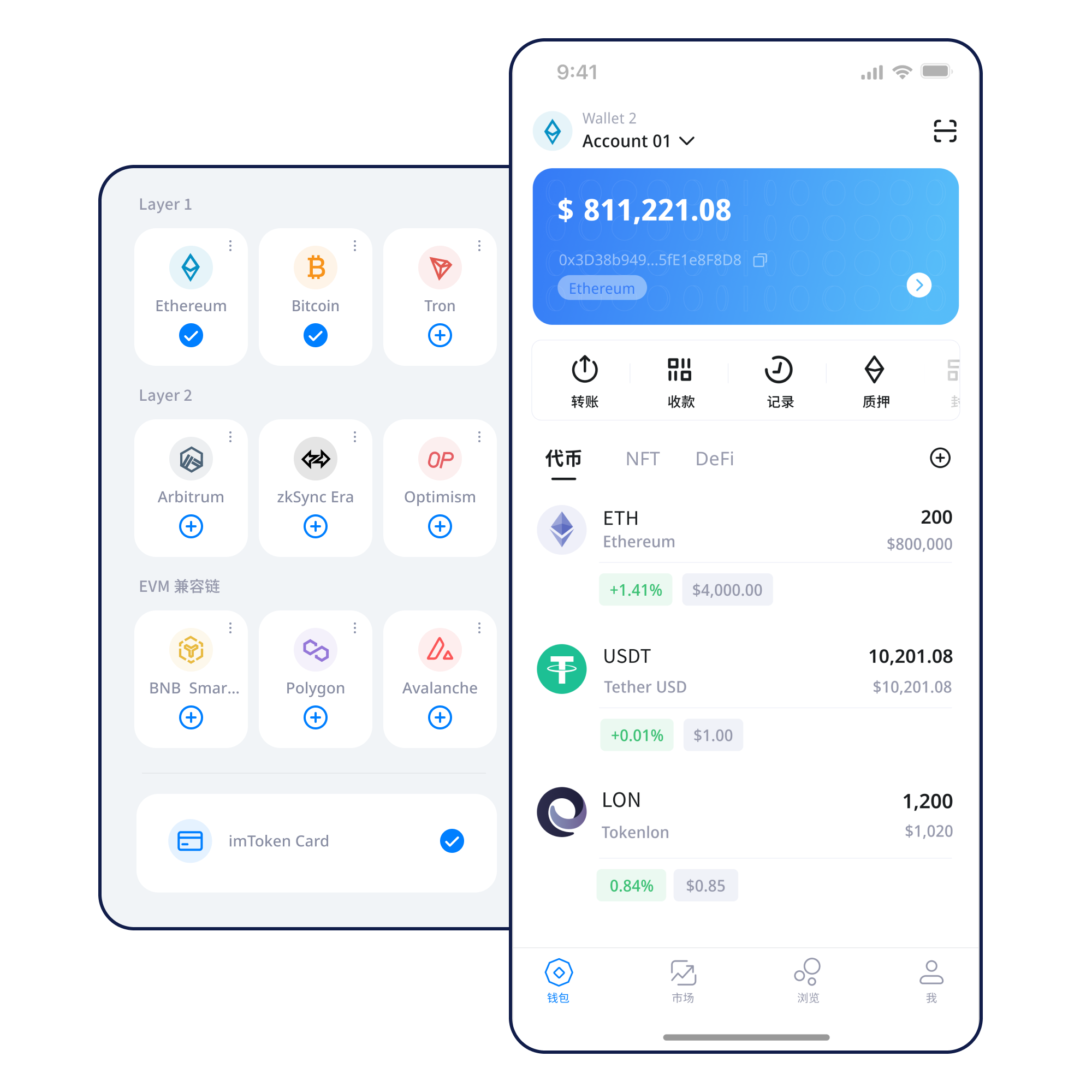
Start with the task, then open the relevant guide. Each path keeps network, address and security checks close to the action.
Understand wallet control and backup responsibility before creating a new wallet.
Open guide →Keep recovery information offline. Do not screenshot it, send it to others or give it to support.
Open guide →Check the network before sharing an address and make sure the sender uses the intended network.
Open guide →Review address, network, amount and gas before sending, then check the transaction hash.
Open guide →Confirm the domain first, then review account access, signatures and approval scope.
Open guide →
A wallet can present several network environments. Asset display, fee assets, address checks and confirmation speed should be understood in the active network context.
Understand multi-chain →Confirm network and address before receiving; review amount, gas and asset type before sending; use the transaction hash afterward.
Open the workflow →Browser connections provide DApp access, but connections, signatures, transactions and approvals are separate requests that should be reviewed individually.
Learn about Web connections →Back up seed phrases offline, never send private keys or verification codes, and review approval targets and scope before confirming.
Open Security →
Each network has its own fee, confirmation and asset rules. Confirm the target network before checking the address and asset type.
Learn more →Nodes validate transactions and form blocks; explorers help you observe public transaction and confirmation state.
Learn more →
EVM-compatible networks may share similar address formats, but gas, token contracts and network parameters still require separate review.
Learn more →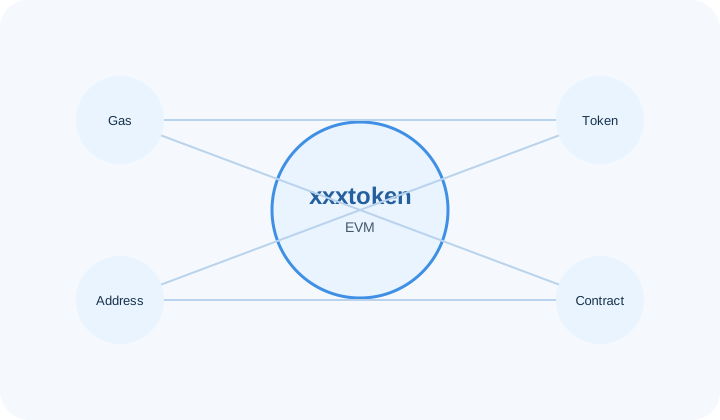
Layer 2 relates to mainnet, but bridging, cross-layer transfers and arrival confirmations follow network-specific rules.
Learn more →
Use the shared download entry rather than files from an unknown source.
Confirm the environment when creating or importing. Recovery information is for wallet recovery, not website verification.
Store the seed phrase offline and never disclose private keys or verification codes.
Similar address formats do not mean the network is the same. Review the target network and fee asset.
Review address, asset type, amount and gas; retain the transaction hash for later checks.
Read DApp requests before signing and periodically review approvals that are no longer needed.
When using a DApp, confirm the domain and page source before connecting. After connection, review account access, message signatures, transactions and token approvals, then disconnect access you no longer need.
Wallet security is not one feature. Seed phrases and private keys determine control, network and address choices determine where assets go, signatures and approvals determine what applications can do, and device conditions affect how those details are handled. A repeatable review routine is more reliable than trusting a familiar-looking page.
Addresses identify on-chain accounts; seed phrases and private keys relate to control; networks determine where a transaction is processed; gas represents execution cost; and transaction hashes help verify state. In Web3, DApp connections, message signatures, transactions and token approvals must also be distinguished. Learning these concepts in workflow order makes each action easier to evaluate.
Read the starter guide →Ethereum uses proof of stake. Validators participate in consensus and may receive protocol-related rewards, while network conditions, validator performance, exit procedures and withdrawals affect the overall process.
Understand staking →Staking does not guarantee returns. Rewards can change with network conditions, exits may involve waiting periods, validators can face network penalties, smart contracts involve technical risk, and digital asset prices can fluctuate. Participation should be evaluated based on the user’s own circumstances.
Learn PoS & Validators →Clarifies the relationship between creation, backup, transfers, records and approval checks.
Similar asset names do not make networks interchangeable; check addresses, fee assets and bridge paths.
Connecting a wallet does not mean every later request should be approved.
The shared page is opened only after a user click; content pages do not expose a final mobile target.
No. Do not send a seed phrase, private key or verification code to anyone, and do not enter them into an untrusted website.
Review the recipient address, target network, asset type, amount and expected network fee.
Gas is the fee mechanism used when a blockchain executes transactions or smart-contract operations. Cost depends on the network and current conditions.
A transaction hash identifies an on-chain transaction and can be used to check broadcast, inclusion and confirmation status in the relevant explorer.
No. A connection is separate from later signatures, transactions and token approvals. Review each request independently.
A token approval gives a contract permission to use a token within a defined allowance. Check both the target and scope.
Layer 2 systems relate to mainnet but use different execution or settlement arrangements. Cross-layer transfers can involve bridges and waiting periods.
No. Rewards can change, exits may require waiting, validators can face penalties, and smart contracts and asset prices carry risk.
All download actions use the shared download page. Before transferring, signing or approving, review the network, address and request details again.